
Wow, this caught me off-guard. I’ve been messing with browser wallets for years, and I still find new surprises. At first glance Rabby looks simple enough, but the details matter. Initially I thought it was just another extension, but after digging in I realized it’s thoughtfully built for DeFi power users while still being approachable to newcomers. My gut said the UX was promising, though my instinct also flagged a few odd choices early on.
Hmm, somethin’ felt off here. Security is the headline, and Rabby places its bets on isolation, permissions, and clear transaction previews. It separates accounts well and lets you approve actions site-by-site. Initially I thought this would just be a fancier UI wrapper over existing wallets, but then I dug into the transaction flow, looked at the gas controls, and realized some thoughtful deviations that reduce mistakes and cost over time. Okay, so check this out—there’s a smart gas suggestion system that adapts to current chain congestion.
Seriously, it’s worth a close look. The extension supports multiple EVM chains, and it keeps network switches fairly seamless. I swapped between Ethereum and BSC while testing and only hit one hiccup. On one hand the cross-chain convenience encourages active portfolio management, though actually that very convenience requires users to be disciplined with approvals and contract interactions, a nuance many newcomers overlook. A couple of dapps didn’t pick up the provider immediately.
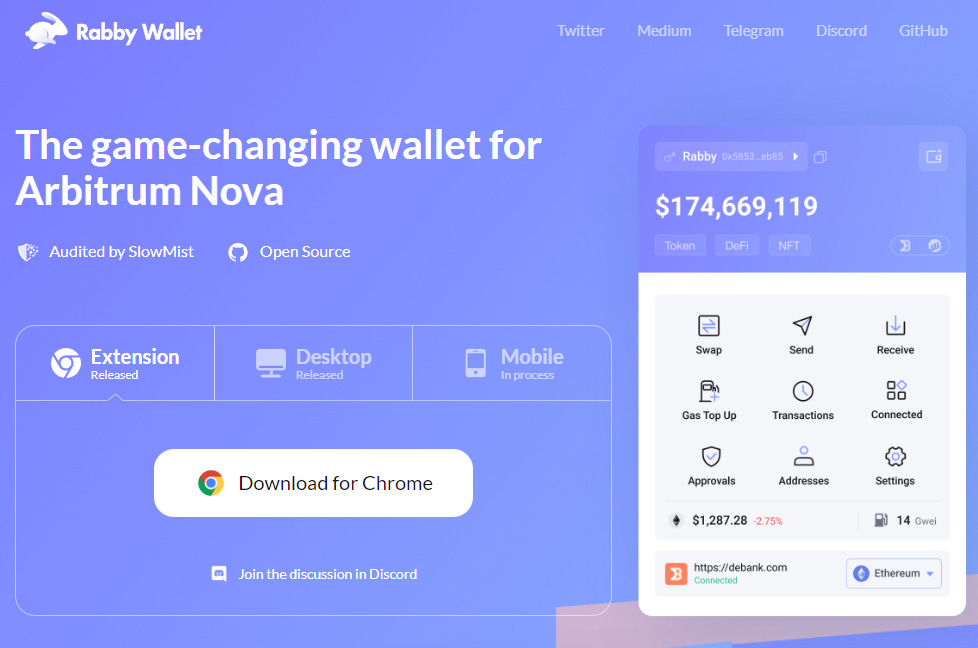
Whoa, small quirk. The permissions model deserves praise because it insists on per-contract granularity instead of broad approvals, very very important. I tested contract approvals and found granular revoke options in the UI that felt empowering. Something bugged me about the initial account creation flow—it’s straightforward, but the educational nudges could be stronger to warn about phishing clones and seed phrase handling, especially for users migrating from custodial apps. I’ll be honest, that part bugs me; the wallet assumes some prior knowledge.
Wow, that’s pretty neat. They include an integrated swap aggregator which is handy when you want to avoid juggling separate dapps, like juggling tabs on a Sunday. Slippage controls and route previews are visible before you confirm, and that transparency matters. My instinct said the swaps would be slower than dedicated aggregators, but after benchmarking a few trades I observed comparable prices and sometimes better gas efficiency thanks to consolidated approval flows. On the downside, advanced traders might miss per-DEX options, though most users will prefer the simplicity.
Hmm, I’m slightly torn. Rabby’s UI favors clarity over flashy chrome, which speeds acceptance for newcomers. The extension also exposes developer tooling and transaction insights that help seasoned users audit what’s happening. Initially I thought these features were niche, but then I realized they drastically lower the chance of approving malicious contracts because you can inspect calldata, method signatures, and parameter values before signing. I’m not 100% sure, but I think there’s a steeper learning curve, and the payoff is lowered risk.
Really, is this for everyone? Nope — power users will love the controls, while casual holders might prefer simpler key management. I recommend it for DeFi users who frequently interact with contracts and want an extra safety layer. On one hand it reduces friction for multi-account workflows and contract approvals, though actually less technical users may find the options overwhelming and accidentally lock themselves into bad habits if they approve blindly. If you use hardware keys, Rabby works with them and that increases your security posture significantly.
Try it, but test first
Here’s the thing. I’m biased, but I test by running small-value transactions and simulating phishing. Actually, wait—let me rephrase that: you shouldn’t use any wallet extension without rehearsing recovery steps, verifying seed handling, and pairing with a hardware device when possible, because backups are the last line of defense and user error is common. If you want to try it out, you can find the official rabby wallet download. Just follow the setup prompts and consider connecting a hardware wallet during initial configuration.
Small checklist before you click install: check the extension’s publisher, compare the checksum if provided, and start with tiny transactions. I learned this the hard way once after rushing through a setup—lesson learned. Something felt off about a dapp popup and I stopped the flow; that split-second hesitation saved me. So yeah, test it, practice recovery, and keep your seed offline when possible…